

Complex PTSD: When Survival Becomes a Personality
When we talk about trauma, we often imagine a single, clearly identifiable event: an accident, an assault, a natural disaster, or another frightening experience. We tend to think of trauma as something that happened. But for some people, trauma is not one event. It is something that happens repeatedly. Sometimes over months or years. Sometimes within relationships. Sometimes in environments that a person cannot simply leave. This is where Complex Post-Traumatic Stress Disorder (CPTSD) becomes particularly important to understand (Herman, 1992).
While CPTSD includes many of the symptoms we associate with Post-Traumatic Stress Disorder (PTSD), it can affect something deeper: how a person understands themselves, relates to other people, and experiences the world around them. This is sometimes described as a disturbance in the way the self is organized, or Disturbances in Self-Organization (DSO) (Shevlin et al., 2018).
When Survival Becomes a Way of Being
A person may experience emotions as overwhelming and difficult to control. They may become intensely distressed very quickly, struggle to come down from emotional activation, or, at other times, feel completely disconnected from what they are experiencing. When someone has spent a significant amount of time in environments where they needed to remain alert to danger, their nervous system can become accustomed to looking for what might go wrong.
When the Trauma Becomes a Belief About the Self
CPTSD can also be accompanied by persistent feelings of worthlessness, helplessness, failure, shame, or guilt. And this is where one particular question can become especially painful: “Why didn’t I do something?” For someone who experienced trauma as a child, this question can be incredibly cruel. A child may not have the power, resources, independence, knowledge, or choices that an adult has.
When Relationships Become Complicated
For someone whose early relationships were also sources of danger, relationships can become complicated places. Connection may be deeply desired while simultaneously feeling unsafe.
The Complicated Role of Shame
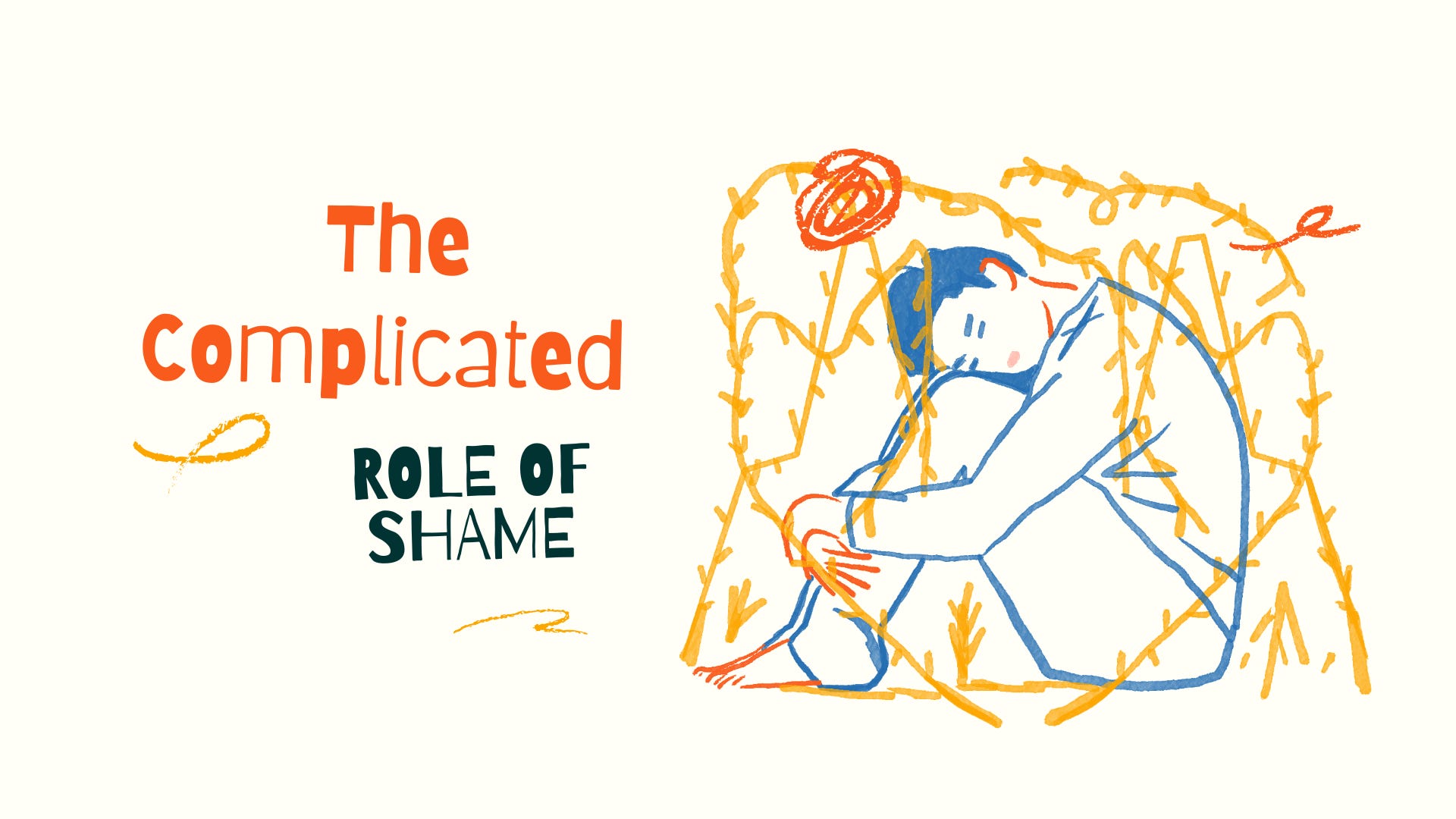
And perhaps one of the most important pieces of complex trauma to understand is shame. Shame is different from guilt (Tangney & Dearing, 2002).
Guilt can sound like: “I did something wrong.”
Shame can sound like: “There is something wrong with me.”
For survivors of prolonged trauma, shame can become deeply intertwined with identity. They may not simply remember that they were mistreated. They may come to believe that they deserved it, caused it, or somehow weren’t worthy of being treated differently. This is part of what can make healing from complex trauma so complicated. While we all love Good Will Hunting, sometimes “It wasn’t your fault” is just not enough.
So, What Does Healing From CPTSD Look Like?
In her memoir What My Bones Know, Stephanie Foo writes about the different ways she approached her own recovery, including meditation, mindfulness, grounding, and Eye Movement Desensitization and Reprocessing (EMDR), among other forms of support (Foo, 2022).
For some people, therapy may involve developing emotional regulation skills and learning to recognize what happens in their body when they feel threatened. For others, it may involve working with shame, self-blame, or deeply held beliefs about being unworthy, difficult, broken, or unsafe. It may involve learning what healthy relationships look like, developing boundaries, building trust gradually, or discovering that conflict does not always mean abandonment. And importantly, healing does not mean forgetting the trauma or becoming completely unaffected by it.
The things that may feel like “parts of me that are broken” may, at one point, have been parts of me that were doing their best to keep me safe. Healing can begin when we no longer have to survive in the same ways. When the world becomes a little safer. When the nervous system learns that not every silence is danger, not every disagreement is abandonment, and not every emotion needs to be escaped. And slowly, we can begin to build something that trauma may have made difficult to imagine: a life in which survival is no longer the only thing we know how to do.
- Sarah Fernandes, Psychologist, Feel Fuzzy
Looking for support?
This piece was written by Sarah Fernandes, psychologist at Feel Fuzzy. As a queer therapist herself, Sarah is deeply committed to creating affirming mental health spaces and supporting the LGBTQIA+ community through compassionate and inclusive care. She works with individuals and couples, supporting clients through relationship concerns, emotional challenges, self-exploration, and personal growth, drawing from Narrative Therapy, Trauma-Informed Therapy, Queer Affirmative Counselling Practices (QACP), and Rational Emotive Behaviour Therapy (REBT). She also works with trauma, PTSD, complex PTSD (CPTSD), and more.
If this piece has brought up anything for you, or if you are looking for a space to process what you are carrying, you can learn more about working with Sarah here.
-----------------
References
Foo, S. (2022). What My Bones Know: A Memoir of Healing from Complex Trauma. Ballantine Books.
Herman, J. L. (1992). Complex PTSD: A syndrome in survivors of prolonged and repeated trauma. Journal of Traumatic Stress, 5(3), 377-391.
Shevlin, M., Hyland, P., Roberts, N. P., Bisson, J. I., Brewin, C. R., & Cloitre, M. (2018). A psychometric assessment of Disturbances in Self-Organization symptom indicators for ICD-11 Complex PTSD using the International Trauma Questionnaire. European Journal of Psychotraumatology, 9(1).
Tangney, J. P., & Dearing, R. L. (2002). Shame and Guilt. Guilford Press.